Doctor Home Loans in Elk Grove: A Path to Homeownership With Student Debt
Student loans still hanging around? A doctor home loan may help you buy in Elk Grove without letting your debt call all the shots.
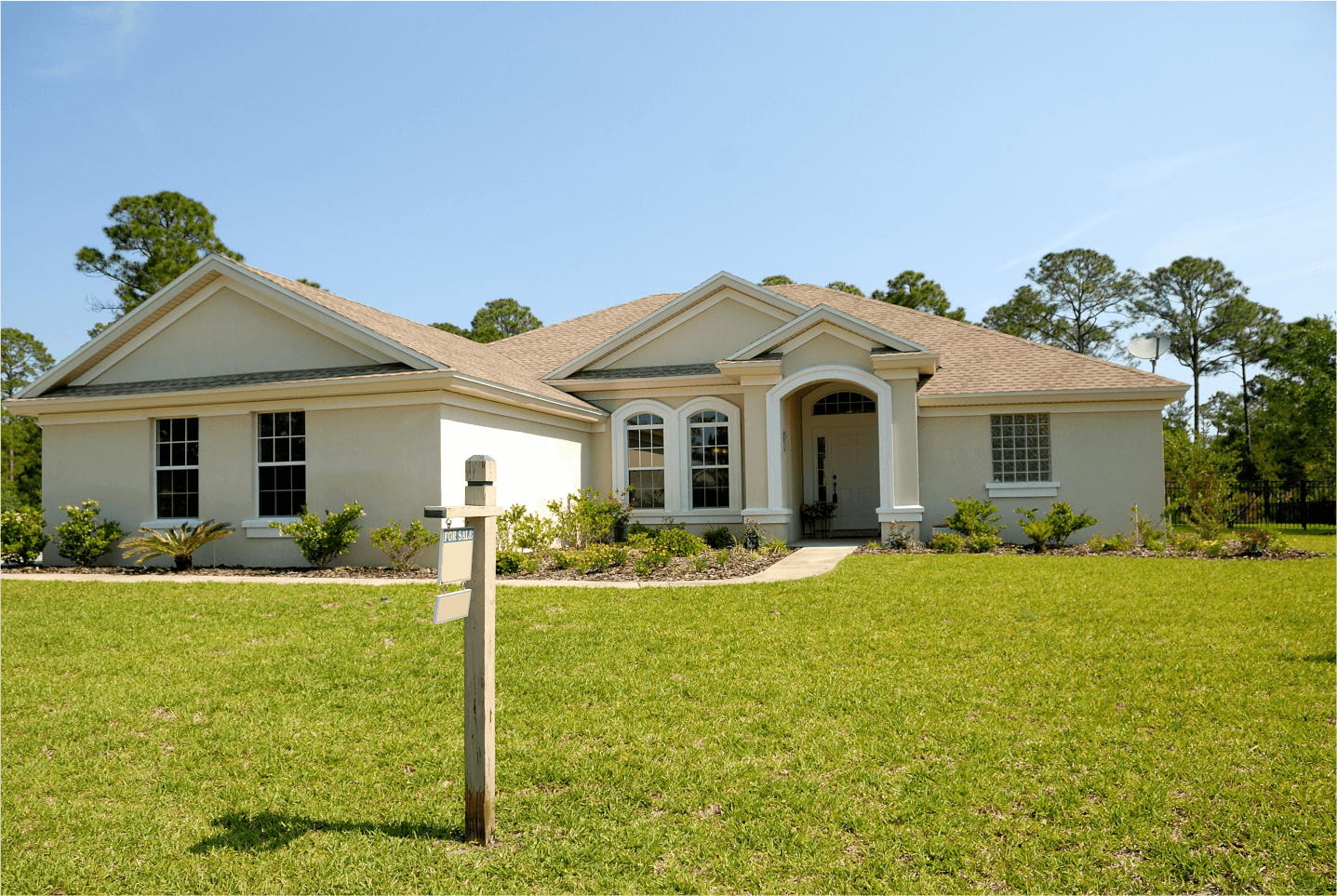
For many doctors, the path to homeownership begins during a demanding time. You may be finishing medical training, starting a new job, or moving to Elk Grove to be closer to family or a hospital. At the same time, student loan payments may take up a large part of your budget. A doctor home loan may help qualified medical professionals buy a home while their careers and finances are still taking shape.
These loans are designed with some of the financial details of a medical career in mind. Depending on the program, they may offer a smaller down payment, flexible ways to review student loan debt, or options that do not require private mortgage insurance. Features and eligibility vary, so it is important to understand how a loan may fit your plans before choosing a home.
How doctor home loans may help
A standard mortgage review often looks closely at your income, debt, credit, savings, and the amount you plan to put down. For a doctor, that picture can be unusual. You may have a high student loan balance, but also have a signed employment contract and strong future earning potential. You may have spent years in school and training, leaving less time to build savings for a large down payment.
Some doctor loan programs account for these circumstances. For example, a program may allow a lower down payment than some traditional loan options. It may also use a particular method to calculate student loan payments when reviewing your ability to repay the mortgage. Some programs may not require private mortgage insurance, even with a lower down payment. This can make monthly costs easier to manage, though the loan’s other terms and costs still matter.
A doctor loan is not a promise of approval or a guarantee that it will be the best fit. Programs can have limits on loan size, property type, professional credentials, or the stage of your career. A lender will review your full financial picture and the details of the home you want to buy.
Who may qualify
Eligibility depends on the specific loan program. These programs are commonly intended for certain medical professionals, such as physicians, dentists, and other eligible doctors. Some may serve residents or fellows, while others may require you to have completed training. The program may ask for proof of your degree, license, employment, or a signed contract.
If you are about to start a new position, ask how the lender reviews your income. A signed offer or employment contract may help show what you will earn, but the lender may also need to confirm your start date, job status, and other details. If you are still in residency or fellowship, your current income may be different from your expected income after training. The lender can explain which income sources may be considered and what documents are needed.
Your credit history also matters. Paying bills on time, keeping credit card balances manageable, and avoiding new debt before applying can help present a clear picture of your finances. If you have had a late payment or another credit issue, it does not automatically mean you cannot buy a home. Be ready to explain the circumstances and provide any documents requested.
Understanding student debt in the mortgage review
Student loans are a major concern for many doctors buying a home. The balance alone does not tell the whole story. Lenders may also look at your required monthly payment and the repayment plan you are using. The way student loans are counted can differ by loan program and by the information shown on your credit report.
For instance, an income-based payment may be lower than the payment on a standard repayment plan. Some programs may use the payment listed on your credit report or loan statement. Others may apply a calculation if the payment is deferred, the reported amount is zero, or the loan is in a special repayment status. Do not assume that a low or temporarily paused payment will be treated as zero in the mortgage review.
Before applying, gather recent statements for each student loan. Make a list of the balance, required payment, repayment plan, and whether the loan is current, deferred, or in forbearance. If you are considering changing your repayment plan, first understand how that change may affect your monthly budget and loan terms. A mortgage professional can explain how the program may assess your student debt, but you should also review repayment choices with your loan servicer or a qualified financial adviser.
Planning for the full cost of homeownership
A down payment is only one part of the cost of buying a home. You may also need money for closing costs, inspections, moving, repairs, and initial home expenses. After you buy, plan for property taxes, homeowners insurance, utilities, and ongoing maintenance. If the home is part of a community with an association, include its fees in your monthly budget.
A lower down payment can help you keep more savings available, but it may also mean a larger loan balance and a higher monthly payment. Compare the full monthly housing cost with your take-home income and other obligations. Leave room for savings and unexpected expenses, especially if you are moving, starting a new job, or adjusting to a different work schedule.
It can help to build a simple monthly budget before you begin looking at homes. Include student loan payments, car costs, childcare if needed, insurance, and regular savings. Then estimate the housing costs for the type of home you are considering. This gives you a practical range to discuss with your loan officer and helps you avoid focusing only on the maximum amount you may qualify to borrow.
Choosing a home in Elk Grove
Elk Grove offers a range of homes and neighborhoods, so your search can reflect both your work and your personal priorities. Consider your commute, access to services, nearby schools if relevant, and the space you need now and in the coming years. If you are relocating, think about how close you want to be to your workplace, family, or other daily needs.
Before making an offer, consider the home’s condition and likely upkeep. A home that needs repairs may have costs beyond the purchase price. Your inspection can help you understand those needs, while your real estate agent can guide you through local steps and offer terms. Your mortgage team can explain how the property, price, and loan structure may affect financing.
A preapproval can help you understand your likely budget and show sellers that you have started the financing process. It is based on the information available at the time and is not a final loan approval. Your income, assets, debts, credit, and the property will still need to be reviewed. If your job, savings, or debt changes during the process, let your loan officer know.
Steps to prepare
Start by collecting key documents. These may include recent pay statements, tax forms, bank statements, student loan records, identification, and an employment contract or offer letter. If you are a resident, fellow, or new attending physician, include documents that explain your current role and upcoming employment.
Next, review your credit and monthly obligations. Check that your accounts are reported correctly and keep making required payments. Avoid taking on major new debt or moving large sums of money without keeping records. If you receive a gift for your down payment or closing costs, ask what documentation may be required before the funds are transferred.
Finally, talk through your goals. Think about when you hope to buy, how long you may stay in the home, what monthly payment feels comfortable, and how much savings you want to keep after closing. These details can help your loan officer explain which available program features may suit your situation and what trade-offs to consider.
Buying a home while carrying student debt can feel like a big step, but the right preparation can make the process clearer. A doctor home loan may offer features that support eligible medical professionals, yet the best path depends on your income, repayment plan, savings, credit, and plans for living in Elk Grove. Reach out to our mortgage team to review your specific needs, understand how your student loans may be considered, and explore a home financing plan that fits your goals.